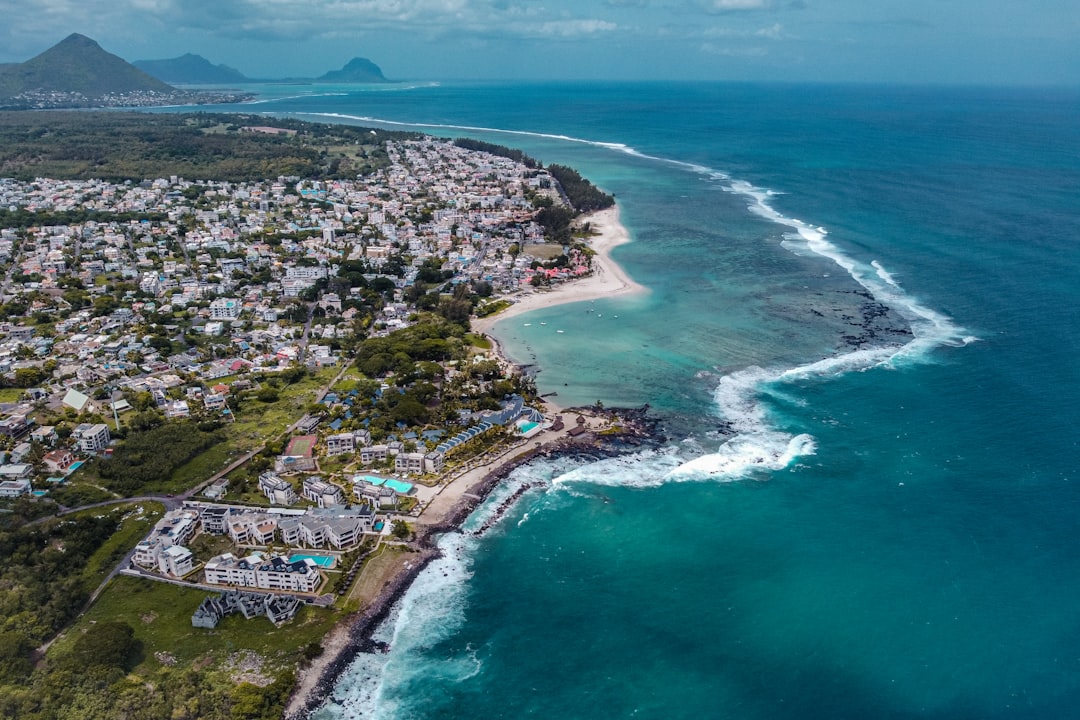
Explore coastal living in Mauritius — property types, legal frameworks, costs, and how to find verified listings as a foreign buyer. Plain-English guidance.
Coastal Living in Mauritius: What Foreign Buyers Need to Know
Coastal living in Mauritius means waking up within reach of the Indian Ocean, commuting through small coastal towns, and owning property in one of the most politically stable jurisdictions in sub-Saharan Africa. For foreign nationals, it is also a legally accessible goal — provided you understand which purchase schemes apply, what costs to expect, and how to verify listings before committing to a viewing trip.
This guide covers the property landscape along the Mauritian coast, the frameworks that govern foreign ownership, typical price ranges, and how to use a structured property search service to compare options efficiently.
What Coastal Living in Mauritius Actually Looks Like
Mauritius has roughly 330 kilometres of coastline, and the character of each stretch differs considerably.
The North Coast — Grand Baie, Pereybere, Cap Malheureux — is the most developed corridor. It has the highest density of restaurants, supermarkets, and international schools. Apartments and villas here are in constant demand from both buyers and long-term tenants, which supports resale liquidity.
The West Coast — Tamarin, Black River, Flic en Flac — attracts a younger, more active demographic. Surf breaks, mountain trails, and a growing café culture make this corridor popular with South African and European families relocating for work or semi-retirement.
The East Coast — Belle Mare, Trou d'Eau Douce — is quieter and more resort-oriented. Properties here tend to sit within large gated developments. The lagoon is calmer, and the pace of daily life is noticeably slower.
The South — Mahébourg, Blue Bay, Souillac — is the least developed for foreign buyers but is gaining interest as northern prices rise. Infrastructure is thinner, but land values remain lower and coastal scenery is arguably more dramatic.
Understanding which corridor matches your lifestyle priorities is the first decision to make before reviewing any listing.
Legal Frameworks for Buying Coastal Property as a Foreign National
Foreign nationals cannot purchase freehold land in Mauritius without going through one of the government-approved acquisition schemes. The main routes are:
Property Development Scheme (PDS) — The primary framework for luxury residential developments. Minimum purchase price is USD 375,000. Buyers receive a residence permit upon completion. Most new-build coastal villas and high-end apartments are sold under PDS.
Smart City Scheme (SCS) — Applies to large mixed-use developments combining residential, commercial, and leisure components. Foreign buyers can purchase within designated zones. The same USD 375,000 threshold applies.
Ground Floor Apartment Scheme (G+2) — Allows foreigners to buy ground-floor apartments in buildings of at least three storeys. No minimum price, though in practice coastal units rarely fall below USD 150,000.
Integrated Resort Scheme (IRS) and Real Estate Scheme (RES) — Older frameworks that predate PDS. Some resale properties still carry these titles. They are legally sound but no longer used for new developments.
Each scheme has its own due diligence checklist. A notary registered in Mauritius must oversee the transaction, and the Deed of Sale is registered with the Registrar-General.
What Does Coastal Property Cost in Mauritius?
Prices vary significantly by corridor, scheme, and property type. The figures below reflect general market ranges as of 2024 and should be verified against current listings.
| Property Type | Location | Approximate Price Range | |---|---|---| | PDS Villa (3–4 bed) | Grand Baie / Tamarin | USD 500,000 – USD 2,500,000 | | PDS Apartment (2 bed) | North / West Coast | USD 375,000 – USD 750,000 | | G+2 Apartment (1–2 bed) | Grand Baie / Flic en Flac | USD 150,000 – USD 350,000 | | Resale IRS / RES Villa | East Coast | USD 450,000 – USD 1,800,000 |
Beyond the purchase price, buyers should budget for:
- Registration duty: 5% of the purchase price (foreigners purchasing under PDS are exempt from this in most cases — confirm with your notary)
- Notary fees: Typically 1–1.5% of the transaction value
- Land Transfer Tax: 5% paid by the seller, but worth understanding as it affects vendor pricing
- Annual property tax (IRS/RES/PDS): Variable; confirm with the management company of the development
How to Search for Coastal Listings Efficiently
The Mauritius property market is fragmented. Listings appear across developer websites, individual agency portals, and aggregator platforms. Without a structured approach, it is easy to spend weeks contacting agents only to find that properties are already under offer or mispriced.
A dedicated property search service for Mauritius consolidates verified listings from across the island, filters by scheme type, location, and price, and allows you to compare coastal properties side by side before making any contact with a seller or agent.
When evaluating any search platform or service, look for:
- Listing verification: Are properties confirmed as currently available?
- Scheme classification: Does the listing clearly state PDS, G+2, SCS, or resale IRS/RES?
- Pricing transparency: Is the price quoted in USD or MUR, and does it include or exclude agency fees?
- Agent accountability: Are the agencies listed on the platform licensed and identifiable?
Property Finder Mauritius addresses each of these points. The platform is built specifically for the Mauritian market, with listings categorised by legal scheme, coastal corridor, and buyer eligibility. The service is free to use for buyers — agents pay to list, which keeps the buyer-facing experience straightforward.
The Process: From Search to Signed Deed
For a foreign buyer pursuing coastal property in Mauritius, the typical sequence runs as follows:
- Define your criteria — corridor, scheme eligibility, budget including acquisition costs, intended use (owner-occupied vs. rental investment)
- Search and shortlist — use a verified listings platform to identify 5–10 properties that meet your criteria
- Remote due diligence — request floor plans, title documents, management company financials, and rental yield data before booking a trip
- Viewing trip — most serious buyers spend 4–7 days on the island visiting shortlisted properties
- Offer and Preliminary Agreement (Contrat Préliminaire de Vente) — a legally binding document signed before the notary; typically accompanied by a 10% deposit held in escrow
- Due diligence period — the notary verifies title, checks for encumbrances, and confirms scheme compliance
- Deed of Sale — signed before the notary and registered with the Registrar-General; ownership transfers at this point
The entire process from offer to registration typically takes 60–120 days for new-build PDS properties and 45–90 days for resale transactions.
Renting on the Coast: What to Expect Before You Buy
Many buyers choose to rent in their preferred coastal corridor for three to six months before purchasing. This is a practical approach — it lets you assess daily commute times, noise levels, proximity to amenities, and whether the community matches your expectations.
Long-term rental availability on the coast is reasonable, though quality stock moves quickly in Grand Baie and Tamarin. Expect to pay MUR 45,000–MUR 120,000 per month (approximately USD 1,000–USD 2,700) for a furnished two- to three-bedroom property in a managed complex. Unfurnished villas can go higher depending on size and location.
Rental agreements in Mauritius are typically 12-month contracts, renewable. There is no rent control legislation, so increases at renewal are at the landlord's discretion.
Key Considerations Before Committing to Coastal Property
- Cyclone exposure: Mauritius sits in the Indian Ocean cyclone belt. Properties should have cyclone-rated construction. Check the building's certification and insurance terms.
- Management fees: PDS and IRS developments charge annual management fees that cover security, landscaping, and communal facilities. These range from USD 3,000 to USD 15,000+ per year depending on the development.
- Rental restrictions: Some PDS developments restrict short-term rentals (Airbnb-style). If rental income is part of your investment case, confirm the development's rental policy before purchase.
- Resale liquidity: The Mauritius market is smaller than European equivalents. Resale timelines can be 12–24 months in slower corridors. The North and West coasts tend to have the most active secondary markets.
Coastal living in Mauritius is a well-defined, legally accessible goal for foreign buyers — but it rewards those who do their research before arriving on the island. Understanding which corridor suits your lifestyle, which legal scheme governs your purchase, and what the full cost of acquisition looks like puts you in a position to move quickly when the right property appears.
Ready to explore Mauritius property?
Browse our current listings or speak to an agent.