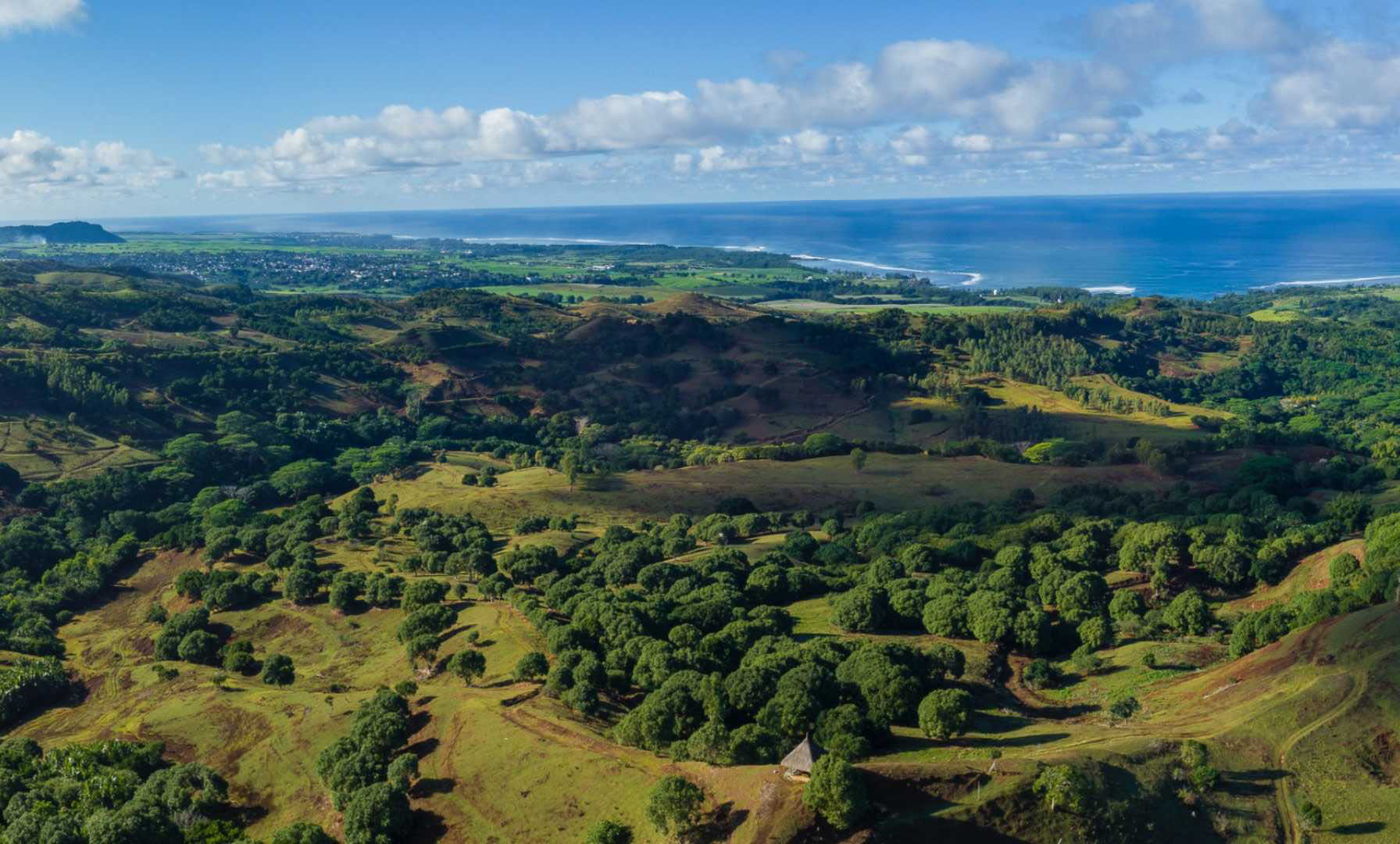
Discover properties with elegance breathtaking mountain views in Mauritius. Learn costs, process, and how to find the right home with confidence.
Elegance and Breathtaking Mountain Views: Finding the Right Property in Mauritius
Properties with mountain views in Mauritius occupy a distinct category in the island's real estate market. The combination of architectural elegance, dramatic highland backdrops, and a well-regulated foreign ownership framework makes these homes particularly sought after by internationally mobile buyers. Whether you are drawn to the Moka highlands, the peaks above Tamarin, or the ridgelines framing the Black River Gorges, understanding the buying process and the tools available to you will help you move from research to ownership with clarity.
What Makes Mountain-View Properties in Mauritius Different
Mauritius is a relatively small island — roughly 65 kilometres from north to south — yet its topography is varied enough to produce genuinely different living environments. Coastal properties dominate the headlines, but mountain-facing and highland homes offer a quieter, cooler alternative that many buyers find more liveable year-round.
The Moka and Highlands Region
The Moka district sits at the geographic centre of the island, at elevations between 300 and 600 metres above sea level. Temperatures here average 3–5°C lower than the coast, rainfall is higher, and the landscape is defined by forested ridges and open valleys. Residential developments in this corridor — including gated estates and standalone villas — typically combine contemporary architecture with sweeping views toward Pieter Both, Le Pouce, and the Corps de Garde massif.
Black River and Tamarin
The western slopes above Tamarin and Black River offer a different character: drier, sunnier, and with views that combine mountain ridges with glimpses of the Indian Ocean. Properties here tend to attract buyers who want proximity to the coast while retaining the sense of elevation and space that mountain-facing plots provide.
Why Elegance Matters in This Market
Buyers searching for elegance in mountain-view properties are typically looking for a specific combination: high-quality finishes, thoughtful orientation to capture views without compromising privacy, and landscaping that works with the natural terrain rather than against it. In Mauritius, this often means properties built under the Property Development Scheme (PDS) or similar frameworks, which impose minimum construction standards and site planning requirements.
How Foreign Buyers Can Purchase Mountain-View Property in Mauritius
Foreign nationals cannot purchase any property in Mauritius — but they can purchase specific categories, and mountain-view homes frequently fall within those categories.
Eligible Schemes for Foreign Buyers
- Property Development Scheme (PDS): Replaced the earlier IRS and RES frameworks. Villas and apartments within approved PDS developments are open to foreign buyers with no minimum purchase price floor since 2020, though most units are priced above USD 375,000 in practice.
- Smart City Scheme: Integrated urban developments that include residential, commercial, and leisure components. Several Smart City projects are located in or near highland and mountain-view areas.
- Ground +2 Apartments: Foreign nationals may also purchase apartments in buildings of ground floor plus at least two upper floors, provided the unit is priced at a minimum of MUR 6 million (approximately USD 135,000 at current rates).
Purchasing outside these schemes requires a specific exemption from the Prime Minister's Office, which is rarely granted for residential property.
Understanding the Costs Involved
Buyers researching property costs in Mauritius often encounter a range of fees that are separate from the headline purchase price. Being clear on these from the outset avoids surprises at the notarial stage.
Registration Duty
For foreign buyers purchasing through a PDS or Smart City scheme, registration duty is typically 5% of the purchase price. This is one of the more significant transaction costs and should be factored into your budget from the start.
Notarial Fees
All property transactions in Mauritius must be completed before a notary. Notarial fees are regulated by law and are calculated on a sliding scale based on the transaction value. For a property priced at USD 500,000, expect notarial fees in the region of 1–1.5% of the purchase price.
Agency Fees
Real estate agency fees in Mauritius are typically paid by the seller, not the buyer. However, it is worth confirming this arrangement in writing before you engage an agent, particularly when dealing with private sales or off-plan developments.
Annual Property Tax
Mauritius does not levy an annual property tax on residential property in the conventional sense. There is a land transfer tax and a National Residential Property Tax that applies in specific circumstances, but for most foreign buyers purchasing through approved schemes, ongoing tax liability is limited.
The Buying Process: From Search to Registered Deed
The process of buying property in Mauritius follows a clear sequence. Understanding each stage reduces delays and helps you engage professionals at the right moment.
Step 1: Property Search and Shortlisting
Begin with a structured search using a reputable property platform that lists verified developments and resale properties. Look for platforms that provide clear pricing, scheme classification (PDS, Smart City, etc.), and location details. A good property search tool will allow you to filter by region, price range, property type, and whether a development is open to foreign buyers.
Step 2: Reservation and Due Diligence
Once you identify a property, a reservation agreement is typically signed and a deposit — usually 10% of the purchase price — is paid. At this stage, your notary will conduct due diligence on the title, confirm the scheme classification, and verify that no encumbrances exist on the property.
Step 3: Preliminary Agreement (Contrat Préliminaire de Vente)
For off-plan or new-build properties, a preliminary agreement is drawn up before the final deed. This document sets out the purchase price, payment schedule, completion date, and penalties for default. It is legally binding on both parties.
Step 4: Deed of Sale and Registration
The final Deed of Sale is signed before a notary and subsequently registered at the Registrar-General's office. At this point, title passes to the buyer and the transaction is complete. For foreign buyers, the notary also handles the filing with the Economic Development Board (EDB), which issues the necessary residence permit if the purchase qualifies.
Using a Property Search Platform Effectively
A structured property search platform simplifies the process of identifying mountain-view homes that meet both your lifestyle criteria and the legal requirements for foreign ownership. When evaluating any platform, look for the following:
- Verified listings: Properties should be confirmed as legally available to foreign buyers, with scheme classification clearly stated.
- Transparent pricing: Full asking prices should be displayed, not ranges or "price on application" defaults.
- Developer and agent accountability: Listings should identify the responsible agent or developer, with contact details and response tracking.
- Search filters relevant to foreign buyers: Filters for PDS, Smart City, and apartment eligibility save significant time.
Platforms that combine these features with editorial guidance on the buying process — costs, timelines, legal requirements — provide more value than simple listing aggregators.
What to Look for in a Mountain-View Property
Beyond legal eligibility and price, buyers focused on elegance and mountain views should assess the following before committing:
- Orientation: South-facing properties in the southern hemisphere receive less direct sunlight. For mountain views in Mauritius, north or west-facing orientations typically offer the best combination of light and outlook.
- Vegetation management: Mountain-view properties can lose their outlook over time if surrounding vegetation is not managed. Check whether the development has covenants governing tree height and landscaping.
- Cyclone resilience: Properties at elevation can be more exposed to wind during cyclone season (November to April). Verify construction standards and ask for cyclone ratings on the building.
- Access: Some highland properties involve narrow or steep approach roads. Visit in wet-season conditions if possible to assess road quality.
FAQ
Ready to explore Mauritius property?
Browse our current listings or speak to an agent.