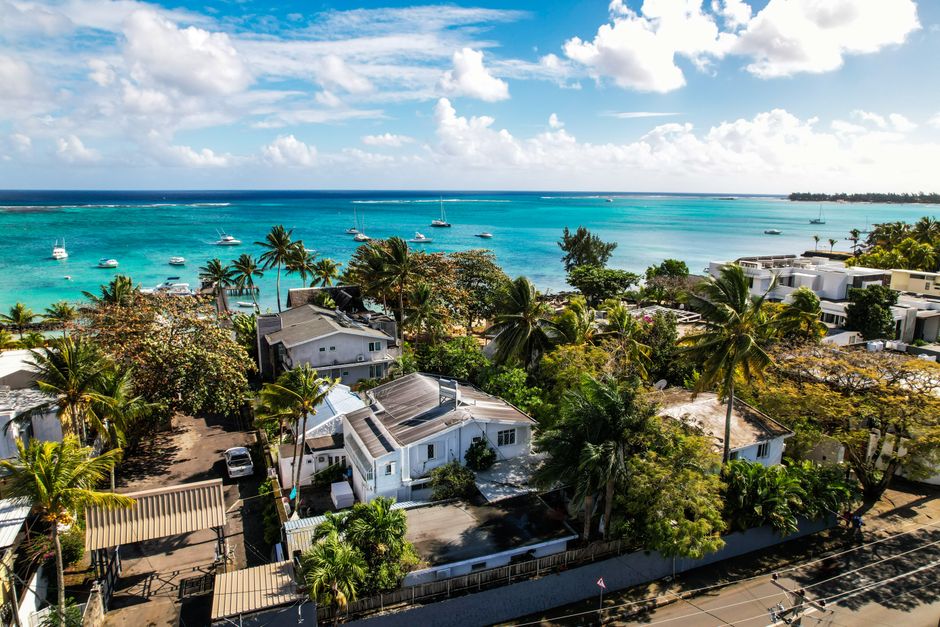
Everything foreign buyers need to know about Mauritius real estate — legal frameworks, costs, processes, and how to find the right property with confidence.
Mauritius Real Estate: What Foreign Buyers Need to Know
Buying Mauritius real estate as a foreign national is entirely achievable — but it requires understanding a specific set of legal rules, ownership structures, and cost frameworks before you commit. This guide covers the full picture: how the market is structured, what the buying process looks like step by step, what you should expect to pay, and how to find reliable listings and professional support.
What Is Mauritius Real Estate?
Mauritius real estate refers to the residential and commercial property market on the island of Mauritius, a small but economically stable nation in the Indian Ocean. The market attracts foreign buyers — predominantly from the United Kingdom, France, South Africa, and other European countries — for several reasons: a transparent legal system rooted in both French civil law and English common law, a favourable tax environment with no capital gains tax, and a residency-by-investment pathway linked to qualifying property purchases.
Property types range from beachfront villas and gated estate homes to apartments in managed resort developments and urban commercial units in Ebène or Port Louis.
Can Foreigners Buy Property in Mauritius?
Yes, but with conditions. Foreign nationals cannot freely purchase any property they choose. Ownership is permitted only within government-approved investment schemes. The main frameworks currently in operation are:
- PDS (Property Development Scheme): The primary scheme for residential purchases by foreigners. Properties must be sold at a minimum price of USD 375,000.
- Smart City Scheme: Mixed-use developments combining residential, commercial, and leisure components.
- IRS and RES: Earlier schemes that have been largely absorbed into the PDS framework, though some legacy developments still operate under them.
- G+2 Scheme: Allows foreigners to purchase apartments in buildings of ground floor plus at least two upper floors, with no minimum price threshold.
Each scheme has its own eligibility criteria, approval process, and documentation requirements. Working with a qualified notary and a reputable property consultant from the outset will help you identify which scheme applies to a property you are considering.
The Mauritius Property Buying Process
The process of purchasing Mauritius real estate follows a structured sequence. Understanding each stage reduces delays and avoids costly mistakes.
1. Property Search and Initial Shortlisting
Begin by identifying properties that fall within an approved scheme and match your budget and lifestyle requirements. A good property finder service will present verified listings with clear scheme classification, pricing, and location details — saving you time spent filtering out properties you are legally ineligible to buy.
2. Reservation and Due Diligence
Once you identify a property, a reservation agreement is typically signed and a deposit paid — usually around 1–2% of the purchase price. Your notary will then conduct due diligence: verifying title, checking for encumbrances, and confirming the developer's compliance with the relevant scheme.
3. Preliminary Sale Agreement (VEFA or Sous Seing Privé)
For off-plan purchases, a VEFA (Vente en l'État Futur d'Achèvement) contract is used. For completed properties, a private sale agreement (Sous Seing Privé) is signed. This document sets out the full terms of sale, payment schedule, and completion date.
4. Economic Development Board (EDB) Approval
Foreign buyers must obtain approval from the Economic Development Board before the sale can be finalised. Your notary typically handles this application. Processing times vary but generally run between four and eight weeks.
5. Deed of Sale and Registration
Once EDB approval is granted, the notarised Deed of Sale is signed and registered with the Registrar-General. Ownership is legally transferred at this point.
Costs Involved in Buying Mauritius Real Estate
Understanding the full cost picture before you make an offer is essential. Below is a breakdown of the typical costs associated with a Mauritius property purchase.
Purchase Price
For PDS properties, the minimum entry point is USD 375,000. Prices vary considerably by location, development quality, and property type. Beachfront villas in the north and west of the island command the highest premiums.
Notary Fees
Notary fees are regulated and calculated on a sliding scale based on the transaction value. For most foreign purchases, expect to pay approximately 1–1.5% of the purchase price.
Registration Duty
Registration duty on the transfer of property is generally 5% of the purchase price for residential transactions. Some scheme-specific exemptions or reductions may apply — your notary will advise.
EDB Application Fee
The Economic Development Board charges a processing fee for foreign buyer applications. This is a relatively modest fixed cost and should be confirmed with your notary at the time of application.
Agent Commission
Property agent fees in Mauritius are typically paid by the seller, not the buyer. However, this varies by arrangement, so clarify the commission structure with your agent before proceeding.
Annual Costs
Ongoing costs include property management fees (for gated developments and resort estates), local council rates, and utility connections. Management fees vary significantly by development and should be reviewed in the sale documentation.
Finding the Right Property: What to Look for in a Property Finder Service
Choosing where to search for Mauritius real estate matters as much as choosing the property itself. A reliable property finder service should offer:
- Verified listings: Properties confirmed as falling within legal ownership schemes for foreigners.
- Clear pricing: Full asking prices displayed, with no hidden or undisclosed costs.
- Scheme classification: Each listing should identify which investment scheme applies.
- Professional support: Access to qualified agents and referrals to reputable notaries.
- Transparent process guidance: Step-by-step information on how the purchase works, not just marketing copy.
Property Finder Mauritius is designed to meet exactly these requirements. The platform provides internationally mobile buyers with verified residential listings across the island, clear pricing information, and structured guidance on the buying process — including scheme eligibility and EDB approval requirements.
Residency Through Property Investment
One of the most significant benefits of purchasing qualifying Mauritius real estate is the residency pathway it opens. Foreign nationals who purchase a property under an approved scheme at or above USD 375,000 are eligible to apply for a Mauritius residence permit.
This permit is renewable, covers immediate family members, and allows holders to live and work in Mauritius without restrictions. It is not automatic — a separate application to the Economic Development Board is required — but for most qualifying buyers, approval is straightforward.
Key Locations in the Mauritius Property Market
Location significantly affects both price and lifestyle. The main areas attracting foreign buyers include:
- Grand Baie and the North: Popular with European buyers, strong rental demand, established infrastructure.
- Tamarin and the West: Favoured by South African buyers and surfers, quieter atmosphere, growing amenity base.
- Belle Mare and the East: Known for its beaches, home to several large resort-style developments.
- Beau Champ and the Southeast: Emerging area with new Smart City and PDS developments.
- Ebène and Moka: Inland commercial and residential zones, popular with professionals relocating for work.
Common Mistakes Foreign Buyers Make
Awareness of common errors can prevent expensive setbacks.
- Not verifying scheme eligibility early: Some properties advertised broadly are not legally available to foreign buyers. Always confirm the scheme classification before investing time in due diligence.
- Skipping independent legal advice: Using only the developer's recommended notary without independent review creates a conflict of interest. Appoint your own notary.
- Underestimating total costs: Registration duty, notary fees, and management charges can add 7–10% to the headline purchase price. Budget accordingly.
- Assuming rental income is guaranteed: Some developments offer rental pool programmes, but returns are not guaranteed. Review the rental management agreement carefully.
Summary
Mauritius real estate offers foreign buyers a legally sound, tax-efficient route to property ownership and potential residency in a politically stable country. The process is well-defined, but it requires careful navigation of scheme eligibility, EDB approval, and cost structures. Working with verified listings, a qualified notary, and a transparent property finder service gives you the foundation to make a well-informed decision.
Ready to explore Mauritius property?
Browse our current listings or speak to an agent.